Overview
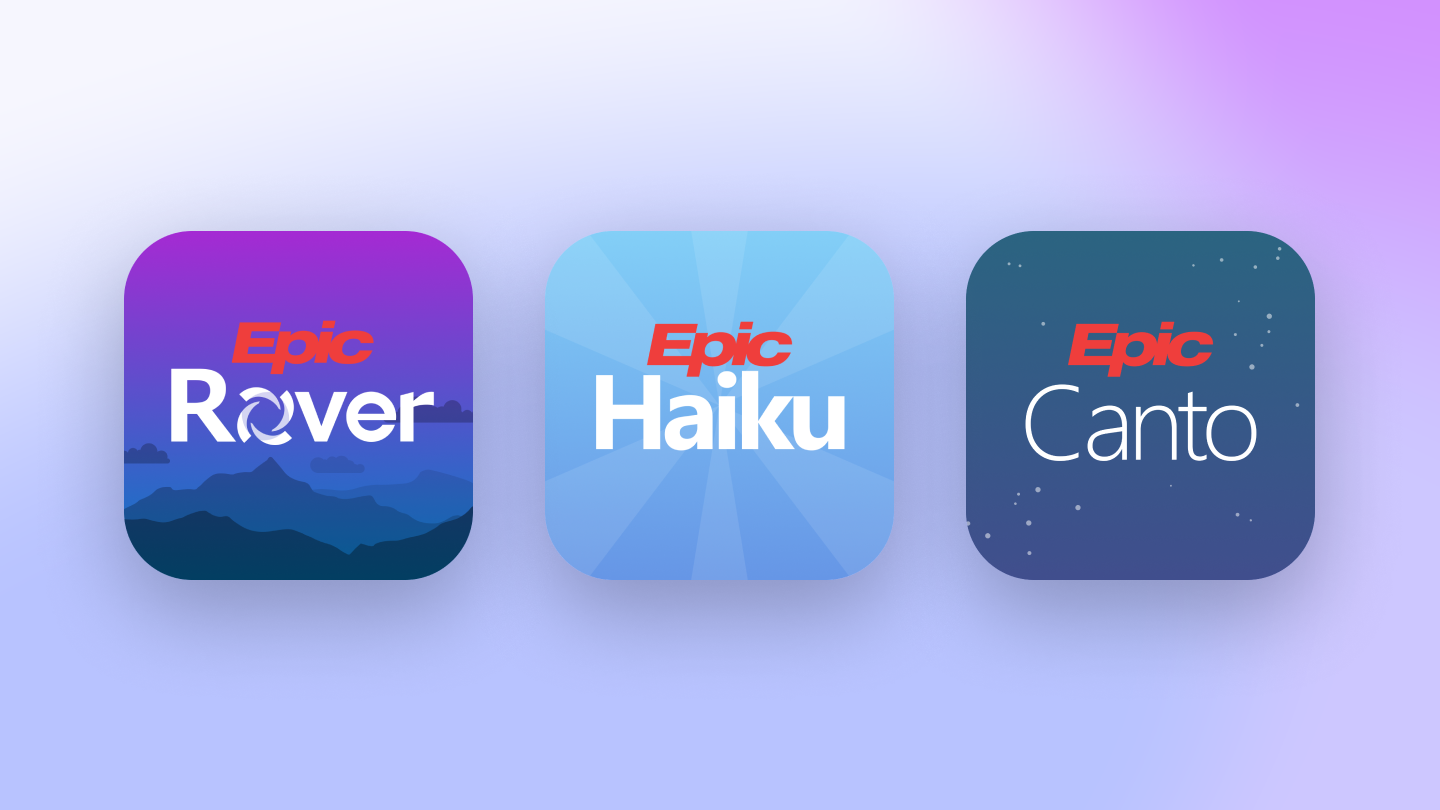
I led the design efforts to align and improve the user experience for Epic’s clinical mobile suite: Rover, Haiku, and Canto. Over the course of a year, I worked to consolidate legacy designs into a more unified framework. By aligning development teams and validating workflows with clinicians, I helped establish a consistent experience across iOS and Android mobile devices.
The Problem
As Epic’s mobile apps evolved to serve different clinical roles, their designs became fragmented. Over a decade of independent growth led to an outdated user experience and significant operational overhead:
-
UX Inconsistency: Variations in how core features were implemented across the suite made the apps feel less intuitive for clinicians.
-
Design & Development Debt: Implementing new features required separate design decisions and UI implementations for each app and platform. This duplication of effort increased design debt and created unnecessary complexity when scaling new clinical tools.
-
Operational Overhead: Healthcare organizations had to manage disparate training and documentation for similar workflows across different apps and operating systems.
User Research & Validation
I led the research and validation process to ensure the updated designs worked for clinicians and were feasible for our development teams to build:
-
Clinical Shadowing: Observed and interviewed nurses and physicians in hospitals and clinics to see how they actually handle mobile devices on the job.
-
Usability Testing: Ran task-based tests at hospitals and clinical conferences to make sure the new navigation was intuitive and efficient.
-
Stakeholder Alignment: Collaborated with Product, Dev, and QA to iterate on designs based on technical constraints and clinical requirements.
Design & Outcomes
I focused on creating a scalable framework that works across phone and tablet screens while maintaining platform parity between iOS and Android. Key outcomes included:
-
Systemic Consistency: Standardized where core actions live, ensuring the experience is predictable across the entire mobile suite.
-
Systematic Scalability: Established shared UI patterns. This allows teams to build more consistently without having to "re-invent" the UI for every new tool.
-
Simplified Training: Created a unified UI that makes it easier for organizations to manage internal training materials and support.